Sunday (7/10/22) - The Rings of Saturn, Sir Thomas Browne, Rembrandt and Baldanders
Upon discovering that the first chapter of The Rings of Saturn by W.G. Sebald contains many references to Sir Thomas Browne I procured a copy and set about reading the twenty odd pages, in which are contained the anecdote of the incident of Sir Thomas' skull and how it laid unburied for close to 300 years in the museum of the Norwich Hospital. Browne himself said that to be gnaw'd out of our graves is a tregedy and that no man knows the fate of his bones or how many times he be buried.
Noting that Browne was a physician, Sebald speculates that he was in attendance at a famous anatomy lecture given by Sir Nicholas Tulp in Amsterdam which was recorded in a painting by Rembrandt. Some peculiarities of the painting are discussed as is the identity of the cadaver himself.
From here the discussion shifts toward the Quincunx and the writings found in The Garden of Cyrus. Browne finds all manner of analogues in Nature to this appearance of five among animals and plants. The blurring of the line between actual animals and rare or mythological ones leads to a reading from Borges' Book of Imaginary Beings, namely the story of Baldanders from Grimmelshausen's picaresque novel, Simplicius Simplicissimus.Baldanders is a chimeric figure who shap shifts into a scribe, "and then into a mighty oak, a sow, a sausage, a piece of excrement, a field of clover, a white flower, a mulberry tree, and a silk carpet."
There then follows a discussion of Urne Buriall, commenting on the burial (or cremation) practices and objects found in graves, - "the circumcision knives of Joshua, the ring which belonged to the mistress of Propertius, an ape of agate, a grasshopper, three-hundred golden bees, a blue opal, silver belt buckles and clasps, combs, iron pins, brass plates and brazen nippers to pull away hair, and a brass jew's-harp that last sounded on the crossing over the black water."
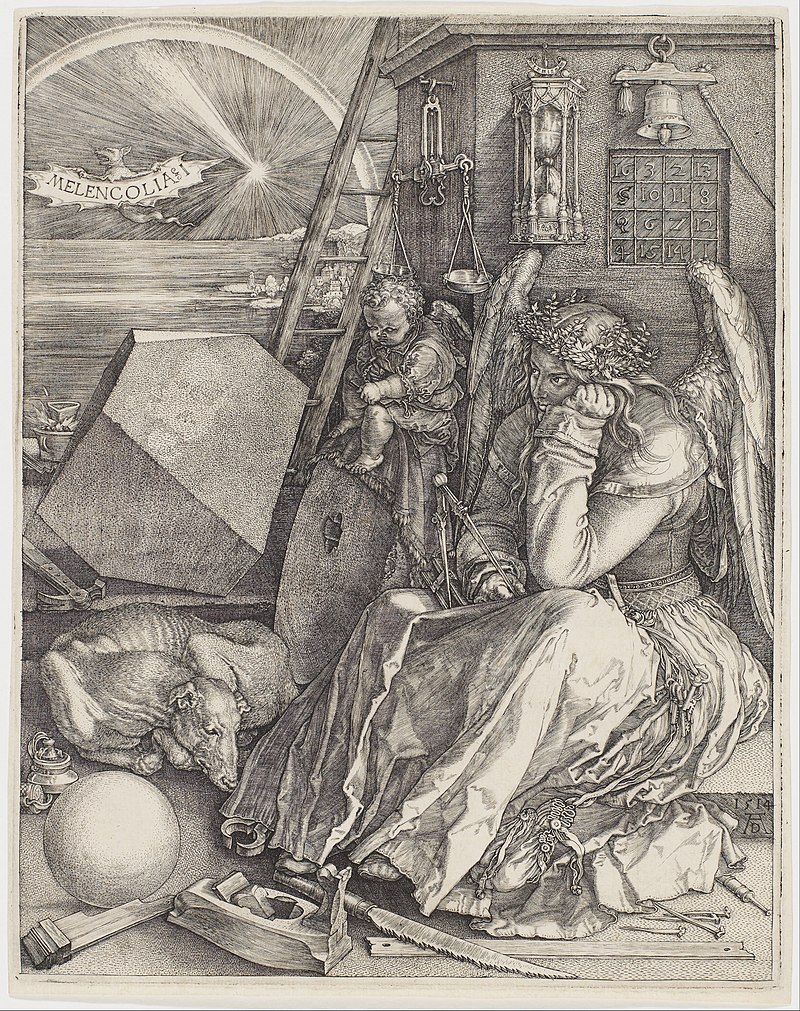
He concludes with a touch of melancholia;
... since the heaviest stone that melancholy can throw at a man is to tell him he is at the end of his nature, Browne scrutinizes that which escaped annihilation for any sign of the mysterious capacity for transmigration he has so often observed in caterpillars and moths. That purple piece of silk he refers to, then, in the urn of Patroclus— what does it mean?
Comments
Post a Comment