Friday(7/8/22) - Borges and Bacon, remembering and forgetting
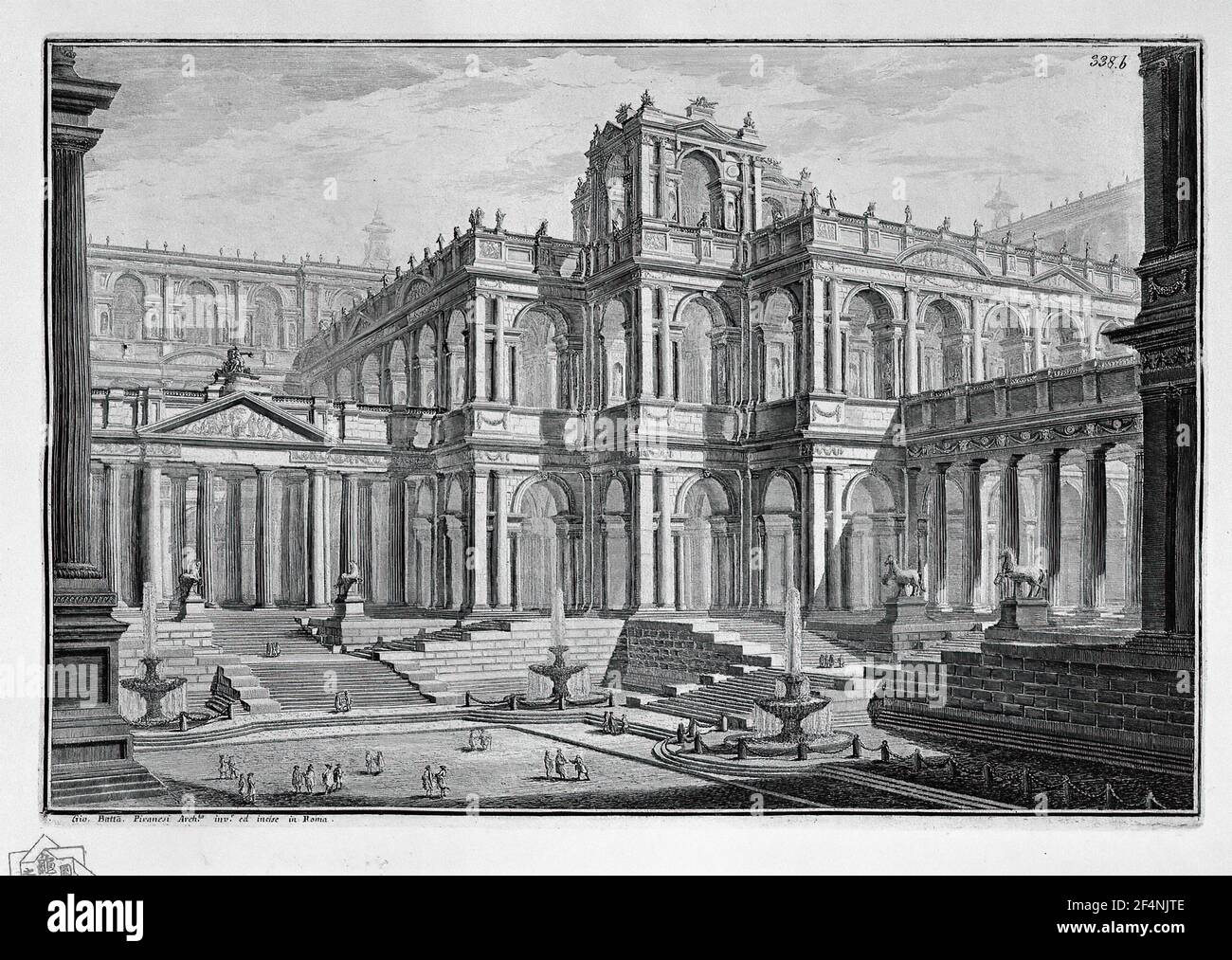
In "Poetry", Seven Nights, Borges discusses the concept of creation as memory.
As is well known, in Latin the word for to invent and to discover is the same. All this is in accord with the platonic doctrine that to invent, to discover is to remember. Francis Bacon agreed that learning is remembering, not knowing is knowing to forget; everything is this way, only we don't see it. When I write something, I have the sensation that it existed before. I start from a general conception. I know more or less the beginning and the end, and then I discover the intervening parts. But I do not have the sensation of having invented them, that they depend on my free will. The things are as they are, but they are hidden, and my task as a poet is to find them.
Borges used the following quote from Bacon as the epigraph of The Immortal (El Aleph, 1949):
This is from Essay LVIII On the vicissitude of things in Essayes or Counsels, Civill and Morall published in 1625, containing 58 essays, this being the last.
======================================
The Maker (El hacedor, El Cifra, 1981, J.L. Borges)
We are the river you spoke of, Heraclitus.
We are time. Its intangible course
Carries lions and mountains along,
The tears of love, the ashes of pleasure,
Insidious interminable hope,
Immense names of empires turned to dust,
Hexameters of the Greeks and of the Romans,
A gloomy ocean under the power of dawn,
Sleep, that foretaste of death,
Weapons and the warrior, monuments,
The two faces of Janus ignorant of each other,
The ivory labyrinths woven
By chess pieces moving over the board,
The red hand of Macbeth which has the power
To turn the seas to blood, the secret
Working of clocks in the shadows,
A boundless mirror which regards itself
In another mirror and no one there to see them,
Steel engravings, Gothic lettering,
A bar of sulfur left in a cabinet,
The heavy tollings of insomnia,
Sunrises and sunsets and twilights,
Echoes, undertows, sand, lichen, dreams.
I am nothing but those images
Shuffled by chance and named by tedium.
From them, even though I am blind and broken,
I must craft the incorruptible lines
And (this is my duty) save myself.
Spanish; trans. Stephen Kessler
PLAIN THINGS (Las cosas, In Praise of Darkness, 1969)
A walking stick, a bunch of keys, some coins,
a lock that turns with ease, useless jottings
at the back of books that in the few days left
me won’t be read again, cards and chessboard,
an album in whose leaves some withered flower
lies pressed—the monument of an evening
doubtless unforgettable, now forgotten—
and in the west the mirror burning red
of an illusory dawn. So many things—
a file, an atlas, doorways, nails, the glass
from which we drink—serve us like silent slaves.
How dumb and strangely secretive they are!
Past our oblivion they will live on,
familiar, blind, not knowing we have gone.
Spanish; trans. Norman Thomas di Giovanni
Comments
Post a Comment